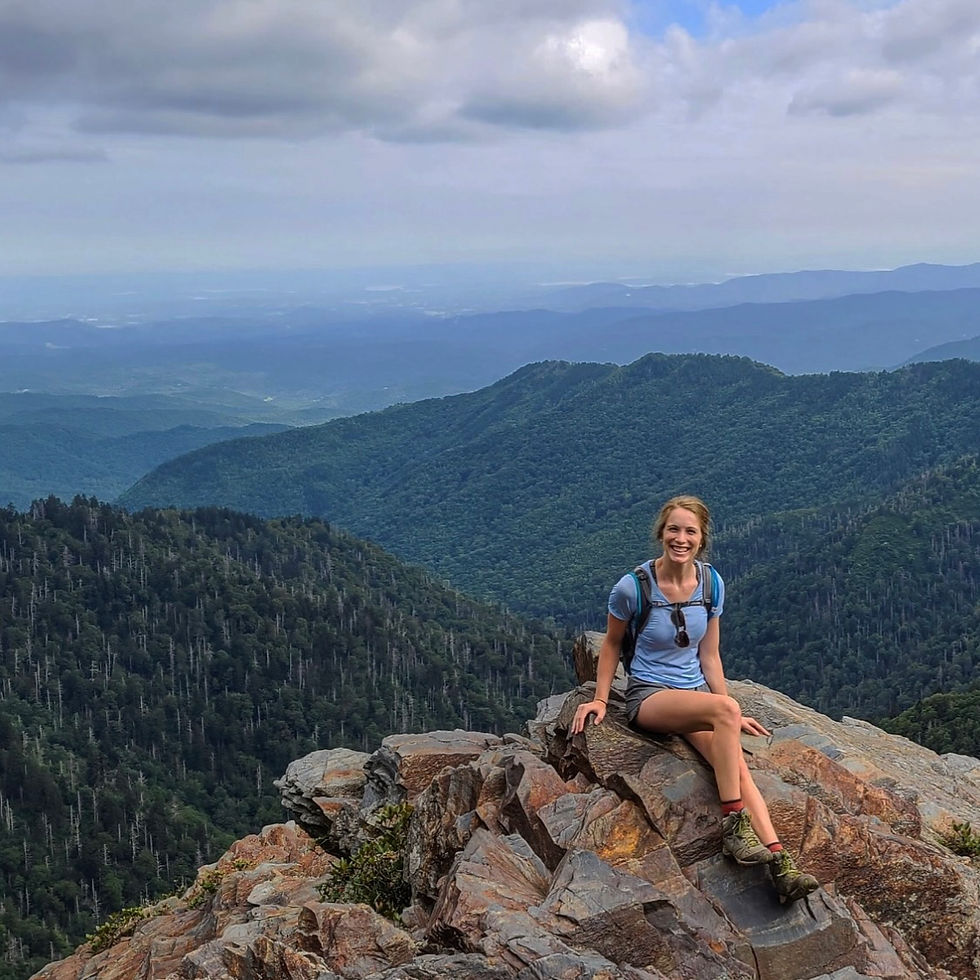
The Only Day Hiking Essentials You Actually Need (No Fluff)
Disclaimer: I earn a commission on any products purchased at no additional cost to you. I personally use all products I recommend.

Getting Started:
I have seen post after post about day hiking essentials. Some are incredibly helpful, while others make it seem like you need to spend your entire paycheck just to enjoy the outdoors.
I've been hiking my entire life. I've hiked with far too little, and I've also been the person carrying way too much. After years of trial and error, I decided to put together a realistic list of what you actually need for a simple day hike. You don't need hundreds of dollars worth of gear to get outside. Start with what you have and upgrade over time.
1. A Backpack
Even on a short hike, you'll want a comfortable way to carry your essentials.
I use the Osprey Daylite Pack. It's lightweight, comfortable, and holds everything I need without feeling bulky. One of my favorite things about Osprey is their lifetime warranty, so it's a pack that can last for years.
Budget option: Whatever backpack you already have lying around. Seriously—any backpack works when you're getting started.
2. Water
If there's one thing you should never skip, it's water.
For shorter hikes, I usually bring either my Nalgene bottle or my slim Hydro Flask, which fits perfectly in the side pocket of my backpack. For longer hikes, I switch to a CamelBak hydration bladder. My Osprey Daylite is hydration-compatible, making it easy to drink without stopping every few minutes.
Budget option: A reusable water bottle you already own—or even a 1-liter bottle from the grocery store. Just remember to pack out what you pack in and recycle whenever possible.
3. Hiking Boots (or Shoes)
Your footwear can make or break your hike.
I've been a repeat Merrell customer for years, and I love the Moab hiking boots. They've been incredibly comfortable and reliable for me.
That said, the best hiking boots are the ones that fit your feet. If you're just getting into hiking, I recommend visiting an outdoor retailer and trying on several different brands before investing.
Budget option: The tennis shoes you already own are perfectly fine for many beginner-friendly trails.
4. Good Socks
A quality pair of socks makes a bigger difference than most people realize.
I swear by Darn Tough socks. They're incredibly comfortable, durable, and backed by a lifetime warranty.
Budget option: Any comfortable crew socks you already have.
5. Layers
Mountain weather—and honestly, weather almost anywhere—can change quickly.
The temperature when you start your hike may be completely different by the time you finish. Check the forecast before you leave and dress in layers so you can easily adjust throughout the day.
6. Snacks
Snacks are honestly one of the best parts of hiking.
Choose foods that provide lasting energy instead of just empty calories. Some of my favorites include:
Trail mix
Protein bars
Peanut butter
Dark chocolate
Beef jerky
Fresh fruit
7. Basic Safety Gear
I used to think I was experienced enough that I didn't need to carry emergency gear.
Then two things happened:
My aunt and uncle—both experienced hikers—ended up stranded on a trail overnight.
I had an encounter with a problem bear.
I don't share that to scare anyone. I share it because emergencies don't just happen to beginners.
Now I carry a few lightweight items that give me peace of mind.
Bear Spray
I carry bear spray because I frequently hike in bear country.
Whether you need it depends entirely on where you're hiking. Many heavily trafficked trails in the Great Smoky Mountains don't necessarily require it, but I almost always carry it on backcountry hikes.
Rain Protection
Mountain weather changes fast.
I always bring either a lightweight poncho or a compact umbrella.
Emergency Bivvy
An emergency bivvy weighs almost nothing and can make a huge difference if you're unexpectedly stuck outside overnight.
Think of it as an emergency sleeping bag.
Headlamp
Even if you don't plan to hike after dark, delays happen.
A headlamp takes up almost no space and is one of those items you'll be incredibly thankful to have if you ever need it.
Whistle
A whistle is one of the simplest pieces of safety gear you can carry.
Mine came with my emergency bivvy kit, and I also keep another attached to my backpack.
Final Thoughts
I hope this helped create a realistic day hiking essentials list—without all the fluff.
You don't need expensive gear to start hiking.
Use what you already own, borrow gear if you can, and slowly upgrade as you figure out what you actually enjoy using.
The most important thing isn't having the nicest equipment—it's getting outside and enjoying the trail.
I've linked the products I personally use in my Amazon storefront.


Comments